Play Tonk Card Game
A fast, punchy rummy - Drop low or go out first.How to Play Tonk
In a nutshell: A fast, punchy rummy - Drop low or go out first. You play 2 players against the computer with 1 deck and 5 cards each, it's rated fast and simple, and the goal is simple: spot a low count and drop, or meld everything and go out, in this quick-hitting rummy.
Tonk, also spelled Tunk, is a fast, punchy money rummy that has been dealt on stoops, in break rooms, and backstage between sets for the better part of a century. Each player gets just five cards - Sometimes seven - And the action is immediate: if you are dealt exactly forty-nine or fifty points you can call an instant tonk and win on the spot. On your turn you face a sharp choice - Drop your hand if you believe you are holding the lowest count, draw and build spreads, or hit cards onto existing melds and discard. Win by going out entirely or by having the lowest unmatched count when someone drops. With tiny hands, quick rounds, and real stakes, Tonk trades the long build of thirteen-card rummy for nerve, arithmetic, and the gambler's read on whether your opponent is sitting low.
Tonk at a glance
| Goal | Spot a low count and drop, or meld everything and go out, in this quick-hitting rummy. |
|---|---|
| Players | 2 players (versus the computer here) |
| Cards dealt | 5 cards each |
| Decks used | 1 standard deck |
| Difficulty | Fast and simple |
| Family | Quick |
Step by step
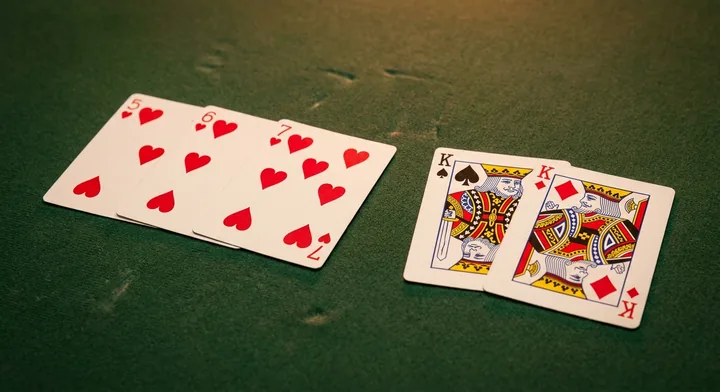
Goal
Either shed all your cards to go out, or hold the lowest total of unmatched card points and drop at the right moment to win the stake.
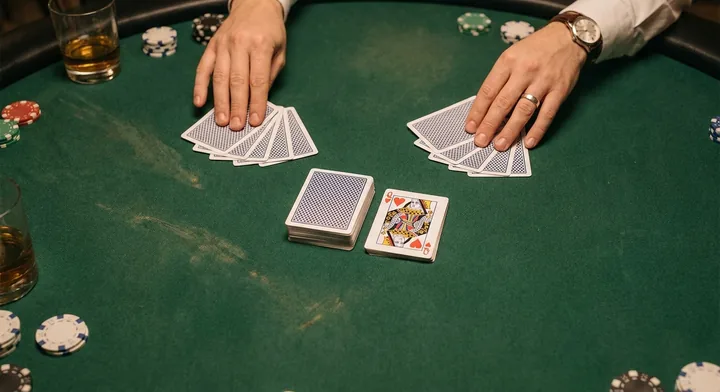
Deal
Using a single standard deck, each player is dealt five cards - Some games deal seven for two or three players. The rest form the stock, with the top card turned up to start the discard pile. A player dealt exactly forty-nine or fifty points may declare an immediate tonk and win at once.
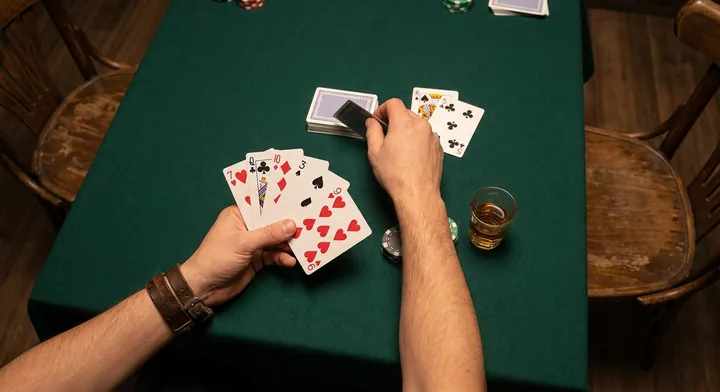
Draw and discard
On your turn you draw one card from the stock or the top of the discard pile, then finish by discarding one card - Unless you are going out or you choose to drop instead of playing.
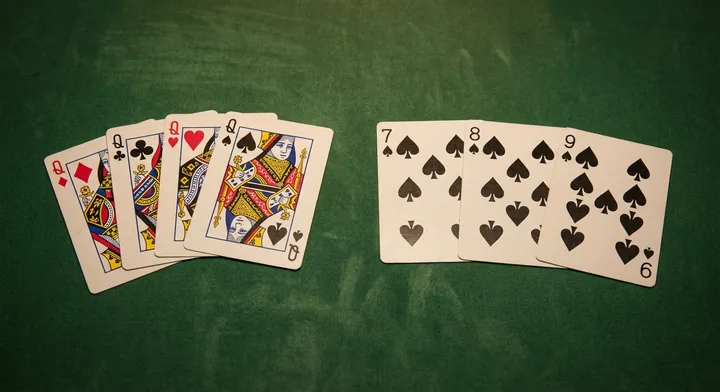
Melds
Melds, called spreads, are sets of three or four cards of the same rank or runs of three or more cards in the same suit. You may lay down spreads and hit - Add matching cards onto spreads already on the table - To reduce the count in your hand.

Winning
You win outright by going out - Melding or laying off every card in your hand. Otherwise you may drop on your turn: if your unmatched count is lowest you collect, but if an opponent ties or beats it you are caught and pay a penalty.
History of Tonk
Tonk, also known as Tunk, is an American member of the rummy family, essentially a fast, stakes-friendly form of knock rummy played with tiny five-card hands. Its exact origins are murky, as with many folk card games, but it was well established in the United States by the early to mid twentieth century.
The game earned a lasting association with jazz and blues musicians, who were famous for playing Tonk to pass the time on the road and between sets. Its short rounds fit perfectly into the gaps of a working night, and the small stakes and quick reversals made it a natural backstage and break-room game that spread by word of mouth rather than any published rulebook.
Because Tonk was handed down informally, its rules vary from region to region - The size of the deal, the exact tonk-on-deal totals of forty-nine or fifty, and the penalties for being caught on a drop all differ between houses. It remains popular today as a quick, sociable money game and has found a new life in online and app versions that codify one common set of rules.
How to Win Tonk: Strategy
💡 Top tip: Add up your count constantly - Tonk is won on arithmetic, and knowing your exact points is what tells you whether it is safe to drop.
Winning tips, in order of importance
- Drop early when you are dealt a naturally low hand; small hands mean the count you start with is often the count you finish with, so a strong start is worth cashing in.
- Shed your highest cards first - Face cards and tens are worth ten points each, so a stranded King is what usually loses a showdown.
- Do not draw from the discard pile unless the card completes or clearly advances a spread, because taking it tells your opponent exactly what you are building.
- Watch for the chance to hit your cards onto spreads on the table; every card you lay off is points removed from your count for free.
- Read your opponent's tempo - A player who suddenly stops drawing high cards or hesitates to discard may be sitting low and about to drop.
- With only five cards, a single good draw can let you go out - So weigh going for the full win against the safer play of dropping with a low count.
Advanced tactics for Tonk
- Track which high cards have been discarded; if the tens and face cards are mostly gone from play, an opponent's remaining hand is likelier to be low, which should make you quicker to drop.
- Because getting caught on a drop usually costs double, only drop when your count is genuinely at or near the minimum - A marginal drop that ties or loses turns a small risk into a large loss.
- Hold a near-complete spread only if the missing card is still live in the stock or discard; otherwise break it up and dump the high cards before they become a liability.
- When you can either go out this turn or drop safely, going out generally pays more and denies opponents the chance to improve, so take the full win when the cards allow it.
- Use hitting as a defensive tool late in a hand: laying spare cards onto existing spreads strips points from your hand right before a likely drop or showdown.
- Against multiple opponents, remember that dropping must beat every hand at once, so the more players still in, the higher the bar and the more conservative your drop threshold should be.
- Manage the discard pile as information: discarding a card near one you need can misdirect an opponent, while a careless high discard can hand them the hit that lets them go out.
Common Tonk mistakes to avoid
- Missing an instant tonk - if your first seven cards total the tonk value you win double at once, so add up your hand before you play a card.
- Playing past a drop chance - when your unmatched count is low you can drop to end the hand, and holding on risks an opponent dropping lower first.
- Hitting an opponent's spread you should have blocked - once someone spreads you may add to it, so track their melds instead of feeding them free points.
- Sitting on high cards - Tonk hands are small and penalties are counted on what you hold, so shed face cards before someone drops or goes out.
Tonk Variations
Five-card vs. seven-card deal
The most common split: five cards for a faster game and larger tables, or seven cards when two or three players want slightly meatier hands and a bit more room to build spreads.
Tonk on the deal
Groups differ on the magic totals; the classic instant win is a dealt hand worth exactly forty-nine or fifty points, though some houses recognize other special totals or pay it differently.
Drop penalties
House rules set what happens when a drop is caught - Commonly the caught player pays double the stake - And whether a player may drop on the very first turn, which changes how aggressively low hands are cashed.
Going-out bonus
Many versions pay a premium for going out - Melding and laying off every card at once - Rewarding the full sweep with a larger payout than an ordinary drop and encouraging players to chase it.
Stakes and hitting rules
As a money game, Tonk varies in its stakes and in the fine points of hitting - Such as whether you may hit before laying down your own spread - Which shifts the balance between bold and cautious play.
Tonk FAQ
What does it mean to tonk on the deal?
If the cards you are dealt add up to exactly forty-nine or fifty points, you can declare an instant tonk and win the hand immediately, usually for a double stake. It is a rare stroke of luck that ends the round before play even begins, and it is where the game gets its name.
How many cards are dealt in Tonk?
The standard deal is five cards per player from a single deck. Many groups deal seven cards instead when only two or three people are playing, which lengthens the hands slightly while keeping the game fast.
What does it mean to drop in Tonk?
Dropping is announcing on your turn that you believe you hold the lowest total of unmatched card points at the table. If you are right you win the stake, but if an opponent ties or has a lower count you are caught and pay a penalty, so dropping is a calculated gamble.
How are card points counted?
Face cards - Jack, Queen, and King - Are worth ten points each, Aces count as one, and every other card is worth its face value. Only cards not part of a spread count toward your total, so melding and hitting are how you drive that number down.
How do I win a hand of Tonk?
There are two ways to win: go out by melding and laying off all of your cards, or drop on your turn while holding the lowest unmatched count. Going out typically pays the most, while a well-judged drop wins with a hand you could not fully meld.
What is a spread in Tonk?
A spread is Tonk's word for a meld - Either a set of three or four cards of the same rank, or a run of three or more consecutive cards in one suit. Laying down spreads and hitting cards onto them removes those cards from your penalty count.
Can I add cards to another player's spread?
Yes. Hitting lets you lay a matching card onto any spread already on the table, including your opponents', which is a quick way to unload cards and lower your count. It is one of the main tools for shedding points in the short window a Tonk hand gives you.
Is Tonk a game of luck or skill?
Both matter. The deal sets your starting count, but the decisions - When to drop, which cards to shed, whether to chase going out - Are where skill shows. Reading opponents and counting points accurately separate consistent winners from the rest, which is why Tonk has long been played for stakes.
Tonk guides & strategy
Still have a question about Tonk? Browse the full rummy FAQ, look up a term like meld or deadwood in the rummy glossary, or compare Tonk with the other games in the rules for every rummy game.
Last updated .